
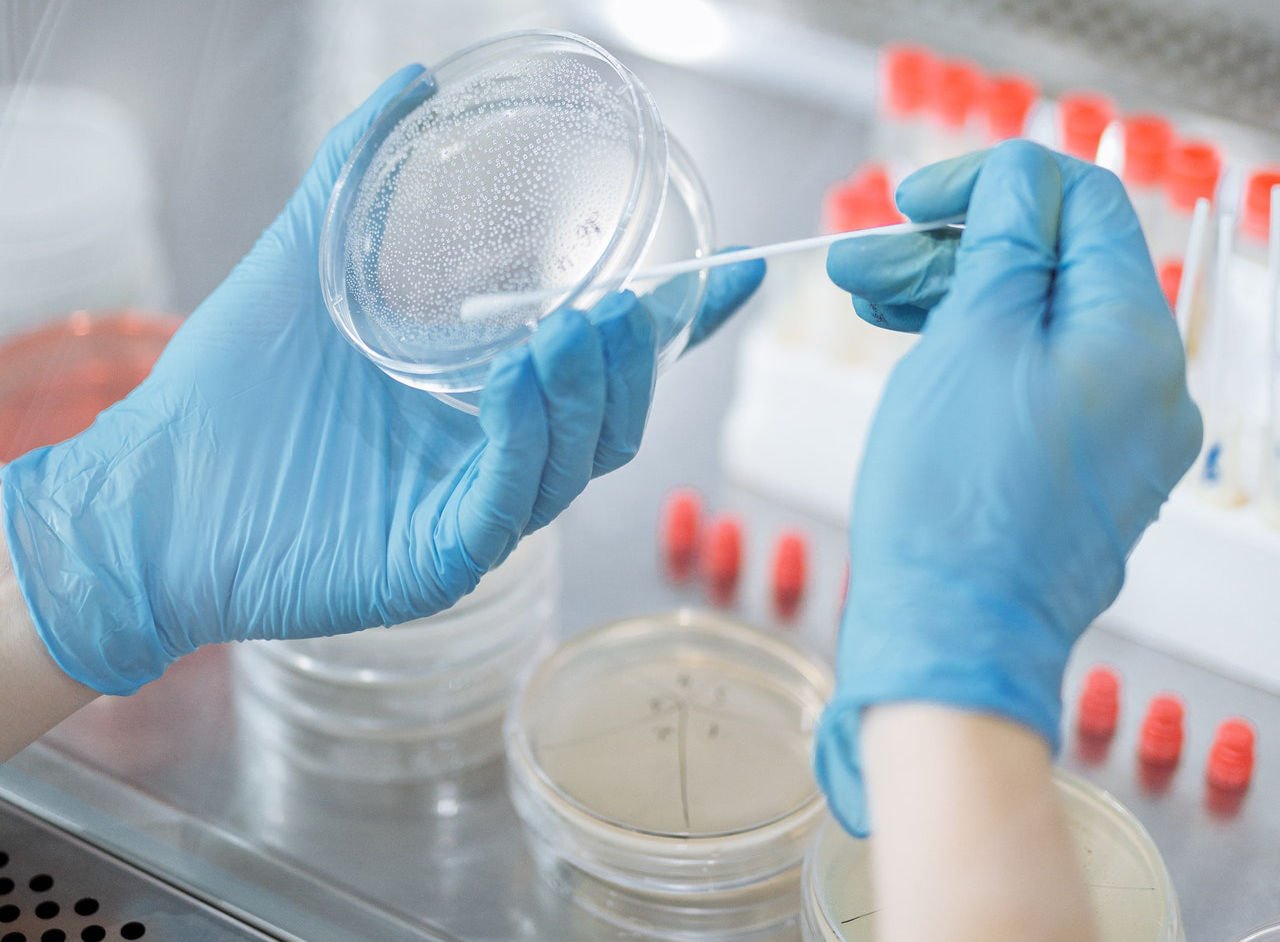
Water Testing, Analysis & Sampling
Water Sample Testing
Whilst it may appear to be a case of simply filling a bottle the method and process of taking the sample for testing can have hugely effect the accuracy of the final results.
Essentially there are two types of sampling, the Pre-flush and post-flush. Put simply a pre-flush is a sample taken before the tap is flushed, and a post-flush is a water sample taken after the tap is flushed. However depending on how long the tap is run will determine how far into the system the sample is taken from. This is why it is important that all water testing samples should be undertaken in accordance with BS 7592 as the smallest change in how the water sample is taken can have a significant impact on the final result.
Its also important not to mix water test samples from two taps into a single bottle as this will dilute any positive results and therefore require more samples to be taken in order to identify where the bacteria is present which would involve additional costs.
The appropriate water analysis testing and legionella water sampling techniques must be used to ensure the validity of the sample results including:
Appropriate use of PPE
Sampler cleanliness
Cross contamination
Speed of delivery from time taken to delivery to laboratory
C&M Water provides water testing, analysis and sampling for a wide range of bacteria’s from all ranges of water systems including: drinking water, hot and cold domestic supply, cold water storage tanks, swimming pools and spa’s, closed systems, lakes and reservoirs and anywhere else there is water.
Water systems our Devon Based teams sample include
Drinking Water (including water dispensers and coffee machines)
Hot and Cold Water Systems
Cold Water Storage Tanks
Hot Water Cylinders
Water Heaters
Dental Units
Swimming Pools
Spa Baths
Cooling Towers
Eye Showers
Eye Wash Units
Fountains and Features
Vending Machines
Closed Water Systems

Microbiological Testing
Our team conducts the following tests across the Somerset and Cornwall regions.
Legionella Water Sampling
Total Viable Count (TVC)
Pseudomonas Aeruginosa
Coliforms
E.Coli
Others
Chemical Testing
We perform the following chemical analysis tests across the region, from Somerset to Cornwall.
Scale
Corrosion
pH
Dissolved Oxygen
Hardness
Alkalinity
Chlorine
Total Dissolved Solids (TDS)
Metals
Physical Testing
Our Devon based team can complete the following tests for our clients.
Effluent Analysis
COD
Suspended Solids
Conductivity
Resistivity
Sludge
Why carry out routine water sampling?
Routine water sampling is the most effective way to determine water quality. Without water testing, analysis, sampling you are unable to identify water quality and therefore you are unable to determine whether your water management and legionella control is sufficient.
With periodic water testing you are able to demonstrate that your water management and legionella control procedures are suitable and the water in your water system is fit for purpose.
All our water samples are tested in UKAS accredited laboratories in and around Devon and Cornwall as standard. We are able to carry out water analysis tests on a wide range of microbiological samples and chemical testing services.
Our Water Sampling Services
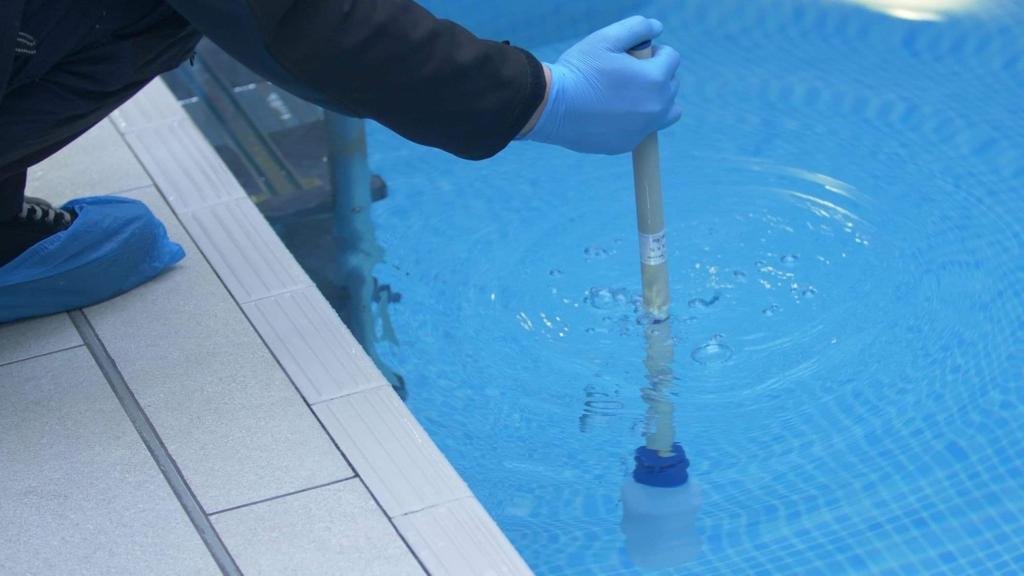
C&M Water provide a range of water sampling services from DIY test kits to one off sampling services (where a trained engineer carries out the sampling) or a routine water sampling programme carried out by trained engineers here in Devon.
All sampling visits are inclusive of full water system inspections, results explanation, recommendations and certification.
Water sampling bottles are sterile bottles treated with sodium thiosulphate which aims to neutralise the effects of residual chlorine in the sample bottle.
All water samples should be labelled with the sample number, date, sample type, company name, sample location, sample system (hot or cold), water temperature. Chemical samples will also need to be taken using the appropriate bottles.
Our Water Sampling Competence
There is more to sampling than simply filling a bottle with water. Factors that can hugely effect the accuracy of your results include:
Sample locations used are critical to ensure an accurate representation of your water system is analysed.
Pre and post flush sampling.
Knowing whether the sample should be taken immediately (pre-flush) or if a sample should be taken post-flush.
Contamination may also impact your sample results and water system if incorrectly taken.
It is therefore important that the person undertaking sampling has been trained and is competent in sample taking. Our water hygiene engineers, based in the Somerset & Devon area, have been trained to obtain samples in a manner that is least likely to contaminate the sample.
Legionella Water Testing FAQs
-
No, legionella testing is not compulsory. The HSE’s Approved Code of Practice (ACoP L8) HSG 274, states that you are currently legally required to undertake a legionella risk assessment, but not water testing. However, whilst it is not compulsory, the HSG 274 confirms that the assessment may require or request that samples are taken for a variety of reasons and is recommended as part of your control measures.
-
No, these are not the same thing and offer different benefits as part of an overall legionella control strategy. An L8 risk assessment is a legal requirement and helps to identify areas that pose a risk of legionella growth. Whereas legionella water testing is not a legal requirement but is the only way to detect the presence of legionella in the water system and therefore, plays a crucial role in legionella control. They are two different services for different purposes. Without a legionella risks assessment, legionella testing is carried out without the necessary information to undertake to test accurately.
-
Legionella water testing takes 14 days, this allows the bacteria to be cultivated and meet requirements set in place by UKAS for the correct bacteria testing conditions. Once the testing is completed the reports are produced by our team thereafter. Results are sent as soon as they become available and have been reviewed.
-
No, landlords must undertake a legionella risks assessment in line with the Health and Safety at Work Act 1974. However, as guidelines state for commercial properties, legionella water testing is recommended to determine legionella presents or as recommended by the legionella risks assessment, which is required.
-
A legionella certificate is a phrase that is used regularly but it has little meaning. You are required to have a risks assessment in line with the Legionella Control Association Health and Safety at Work Act 1974, COSHH, Public Health England Management of Health and Safety at Work Act to name a few. This risks assessment is a live document that should be required periodically as required by law & the guidelines used to state an assessment was required every two years. After a legionella risks assessment, you should be issued with a risks assessment report, and after a legionella test, you should be issued with a legionella test sample report. Legionella is a bacteria that must be managed continuously, and therefore a one-off certificate is insufficient to prove compliance and control of the bacteria.
-
Generally no. In order to test for and control legionella growth, you will need experience in growing bacteria in laboratory conditions to specific standards for accurate results.
-
If you are not making money from your property, e.g. letting a property, then the answer is no. There is currently no law to undertake legionella water testing in private domestic properties. However, if you provide accommodation or let a property then you are required to ensure you meet all Health and Safety at Work Act 1974.